Industry
Kitchenware
Year
2026
What CMF actually means (and why it sells products)
What CMF actually means (and why it sells products)
What CMF actually means (and why it sells products)
What CMF actually means (and why it sells products)

CMF stands for Colour, Material, Finish. Three words that sound technical and obscure until you realise they describe almost every reason a customer picks one product over another.
The matte black kettle. The cherry wood board with visible grain. The translucent acrylic mill that catches kitchen light.
Those are not afterthoughts. They are CMF decisions. And they are made before manufacturing, not during it.
CMF stands for Colour, Material, Finish. Three words that sound technical and obscure until you realise they describe almost every reason a customer picks one product over another.
The matte black kettle. The cherry wood board with visible grain. The translucent acrylic mill that catches kitchen light.
Those are not afterthoughts. They are CMF decisions. And they are made before manufacturing, not during it.
CMF stands for Colour, Material, Finish. Three words that sound technical and obscure until you realise they describe almost every reason a customer picks one product over another.
The matte black kettle. The cherry wood board with visible grain. The translucent acrylic mill that catches kitchen light.
Those are not afterthoughts. They are CMF decisions. And they are made before manufacturing, not during it.
CMF stands for Colour, Material, Finish. Three words that sound technical and obscure until you realise they describe almost every reason a customer picks one product over another.
The matte black kettle. The cherry wood board with visible grain. The translucent acrylic mill that catches kitchen light.
Those are not afterthoughts. They are CMF decisions. And they are made before manufacturing, not during it.
Why CMF matters more than you think
Why CMF matters more than you think
Why CMF matters more than you think
Why CMF matters more than you think
In most consumer categories — especially homeware and kitchenware — the functional differences between competing products are minimal. Both knives cut. Both mills grind. Both boards provide a surface.
What separates them is how they feel in the hand, how they look on the countertop, and how they make the owner feel about their kitchen.
That is CMF. And it is where taste becomes a commercial advantage.
In most consumer categories — especially homeware and kitchenware — the functional differences between competing products are minimal. Both knives cut. Both mills grind. Both boards provide a surface.
What separates them is how they feel in the hand, how they look on the countertop, and how they make the owner feel about their kitchen.
That is CMF. And it is where taste becomes a commercial advantage.
In most consumer categories — especially homeware and kitchenware — the functional differences between competing products are minimal. Both knives cut. Both mills grind. Both boards provide a surface.
What separates them is how they feel in the hand, how they look on the countertop, and how they make the owner feel about their kitchen.
That is CMF. And it is where taste becomes a commercial advantage.
In most consumer categories — especially homeware and kitchenware — the functional differences between competing products are minimal. Both knives cut. Both mills grind. Both boards provide a surface.
What separates them is how they feel in the hand, how they look on the countertop, and how they make the owner feel about their kitchen.
That is CMF. And it is where taste becomes a commercial advantage.
Colour: not just picking a Pantone
Colour: not just picking a Pantone
Colour: not just picking a Pantone
Colour: not just picking a Pantone
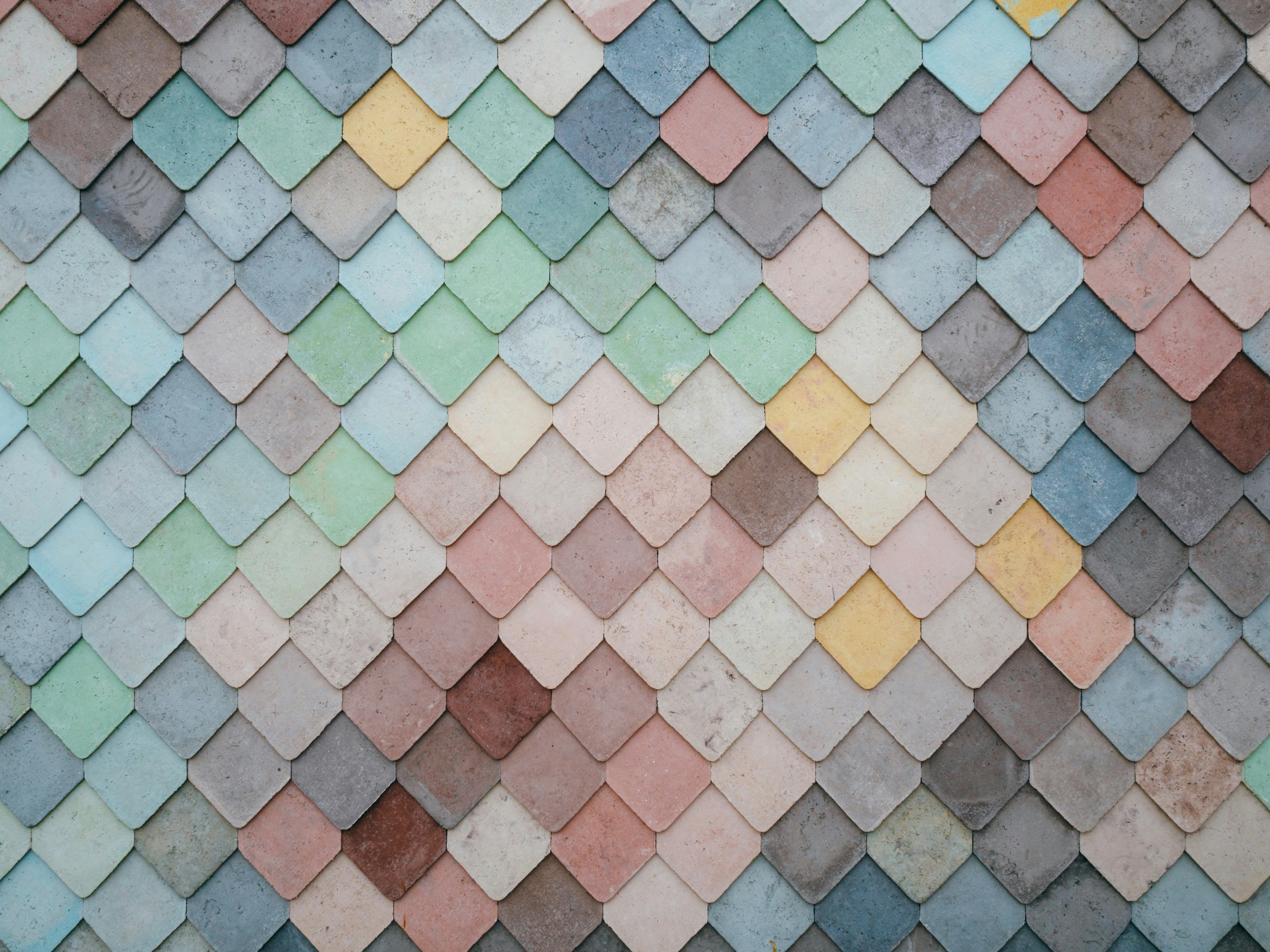
Colour in product design is not the same as colour in graphic design. A product colour has to survive manufacturing tolerances, material batches, lighting conditions, and ageing.
It also has to work as part of a range. One mill in sage green is a choice. A whole family in coordinated, differentiated colours is a system.
For Condimates, we used colour to shift the product from a utilitarian tool to an expressive countertop object. The colour was not decoration — it was the primary differentiator.
Colour in product design is not the same as colour in graphic design. A product colour has to survive manufacturing tolerances, material batches, lighting conditions, and ageing.
It also has to work as part of a range. One mill in sage green is a choice. A whole family in coordinated, differentiated colours is a system.
For Condimates, we used colour to shift the product from a utilitarian tool to an expressive countertop object. The colour was not decoration — it was the primary differentiator.
Colour in product design is not the same as colour in graphic design. A product colour has to survive manufacturing tolerances, material batches, lighting conditions, and ageing.
It also has to work as part of a range. One mill in sage green is a choice. A whole family in coordinated, differentiated colours is a system.
For Condimates, we used colour to shift the product from a utilitarian tool to an expressive countertop object. The colour was not decoration — it was the primary differentiator.
Colour in product design is not the same as colour in graphic design. A product colour has to survive manufacturing tolerances, material batches, lighting conditions, and ageing.
It also has to work as part of a range. One mill in sage green is a choice. A whole family in coordinated, differentiated colours is a system.
For Condimates, we used colour to shift the product from a utilitarian tool to an expressive countertop object. The colour was not decoration — it was the primary differentiator.
Material: what the product is made of, and what that says
Material: what the product is made of, and what that says
Material: what the product is made of, and what that says
Material: what the product is made of, and what that says
Material choice sends a signal before the customer reads the packaging.
Recycled ABS plastic says sustainable and accessible. Solid cherry wood says premium and natural. Transparent acrylic says modern and design-led.
For Greenworks Knives, we used recycled ABS for the handles. The material choice was not just environmental — it created a softer, more approachable product language for the range.
Material choice sends a signal before the customer reads the packaging.
Recycled ABS plastic says sustainable and accessible. Solid cherry wood says premium and natural. Transparent acrylic says modern and design-led.
For Greenworks Knives, we used recycled ABS for the handles. The material choice was not just environmental — it created a softer, more approachable product language for the range.
Material choice sends a signal before the customer reads the packaging.
Recycled ABS plastic says sustainable and accessible. Solid cherry wood says premium and natural. Transparent acrylic says modern and design-led.
For Greenworks Knives, we used recycled ABS for the handles. The material choice was not just environmental — it created a softer, more approachable product language for the range.
Material choice sends a signal before the customer reads the packaging.
Recycled ABS plastic says sustainable and accessible. Solid cherry wood says premium and natural. Transparent acrylic says modern and design-led.
For Greenworks Knives, we used recycled ABS for the handles. The material choice was not just environmental — it created a softer, more approachable product language for the range.
Finish: the detail that makes photography easy
Finish: the detail that makes photography easy
Finish: the detail that makes photography easy
Finish: the detail that makes photography easy
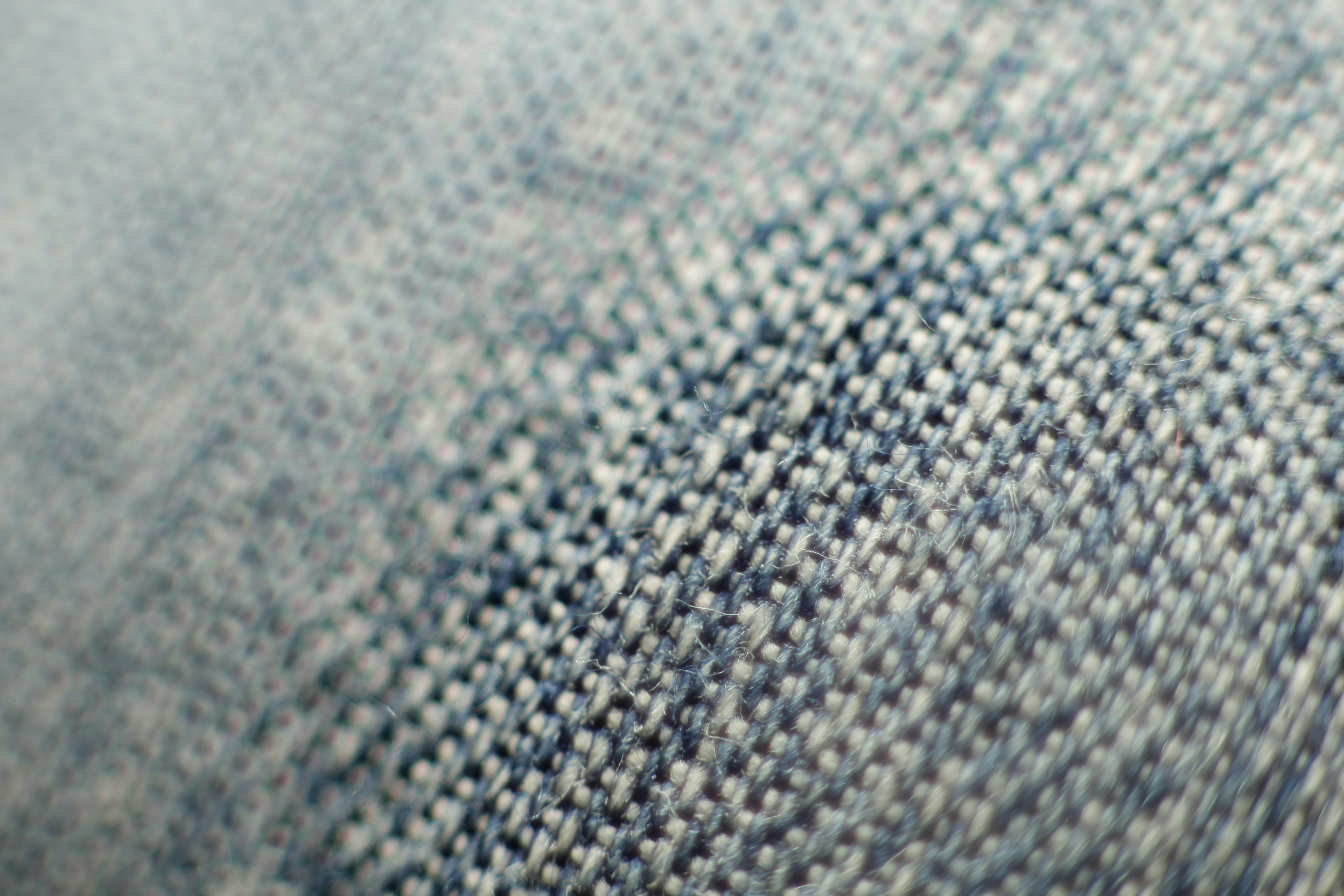
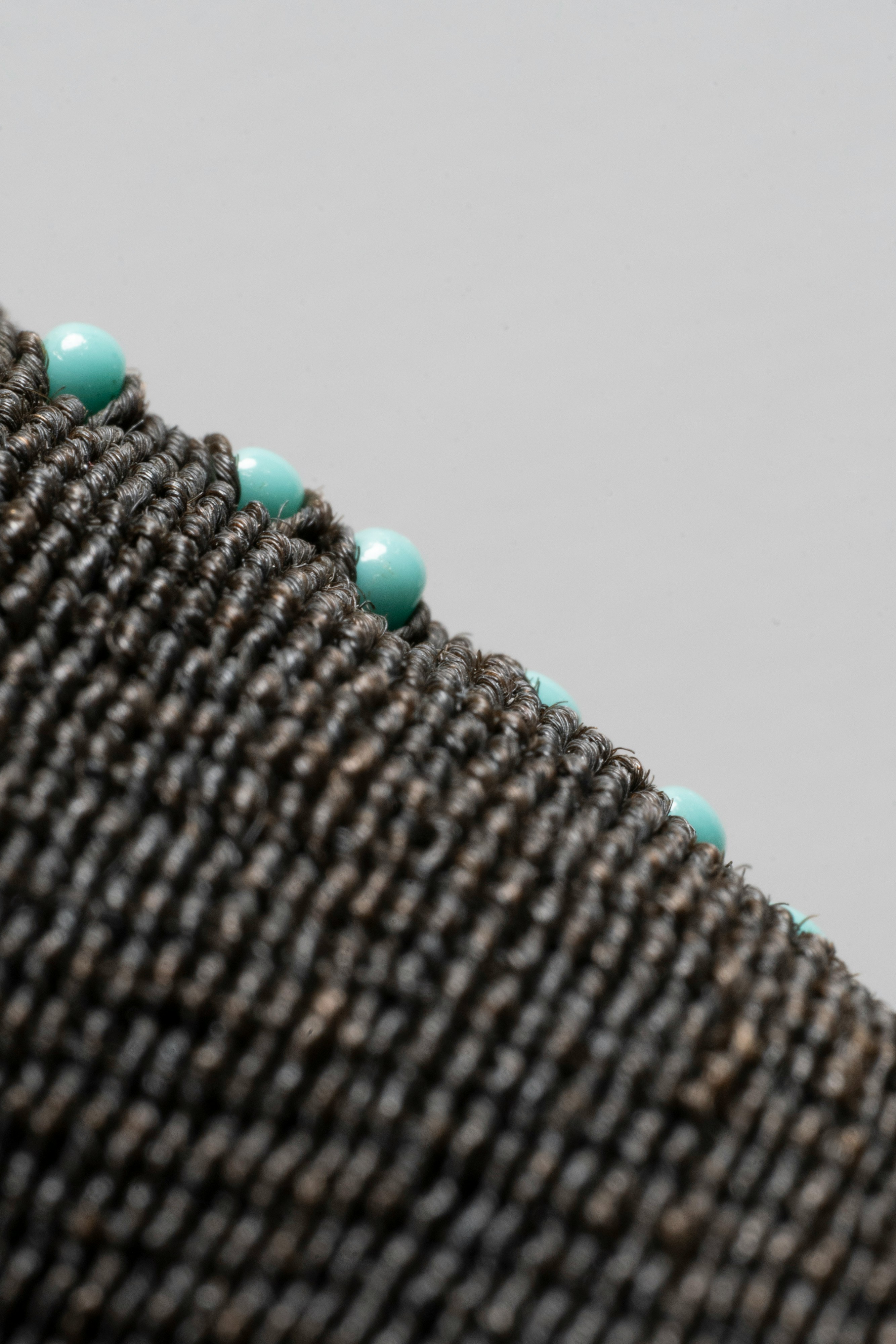
Finish is how the surface behaves under light. Matte, gloss, textured, brushed, polished.
A good finish makes a product easy to photograph. It catches light in a way that renders beautifully in CGI and product photography. It gives the product a tactile quality that the customer can almost feel through the screen.
If your product is hard to photograph, the finish is probably wrong.
Finish is how the surface behaves under light. Matte, gloss, textured, brushed, polished.
A good finish makes a product easy to photograph. It catches light in a way that renders beautifully in CGI and product photography. It gives the product a tactile quality that the customer can almost feel through the screen.
If your product is hard to photograph, the finish is probably wrong.
Finish is how the surface behaves under light. Matte, gloss, textured, brushed, polished.
A good finish makes a product easy to photograph. It catches light in a way that renders beautifully in CGI and product photography. It gives the product a tactile quality that the customer can almost feel through the screen.
If your product is hard to photograph, the finish is probably wrong.
Finish is how the surface behaves under light. Matte, gloss, textured, brushed, polished.
A good finish makes a product easy to photograph. It catches light in a way that renders beautifully in CGI and product photography. It gives the product a tactile quality that the customer can almost feel through the screen.
If your product is hard to photograph, the finish is probably wrong.
CMF as strategy, not styling
CMF as strategy, not styling
CMF as strategy, not styling
CMF as strategy, not styling
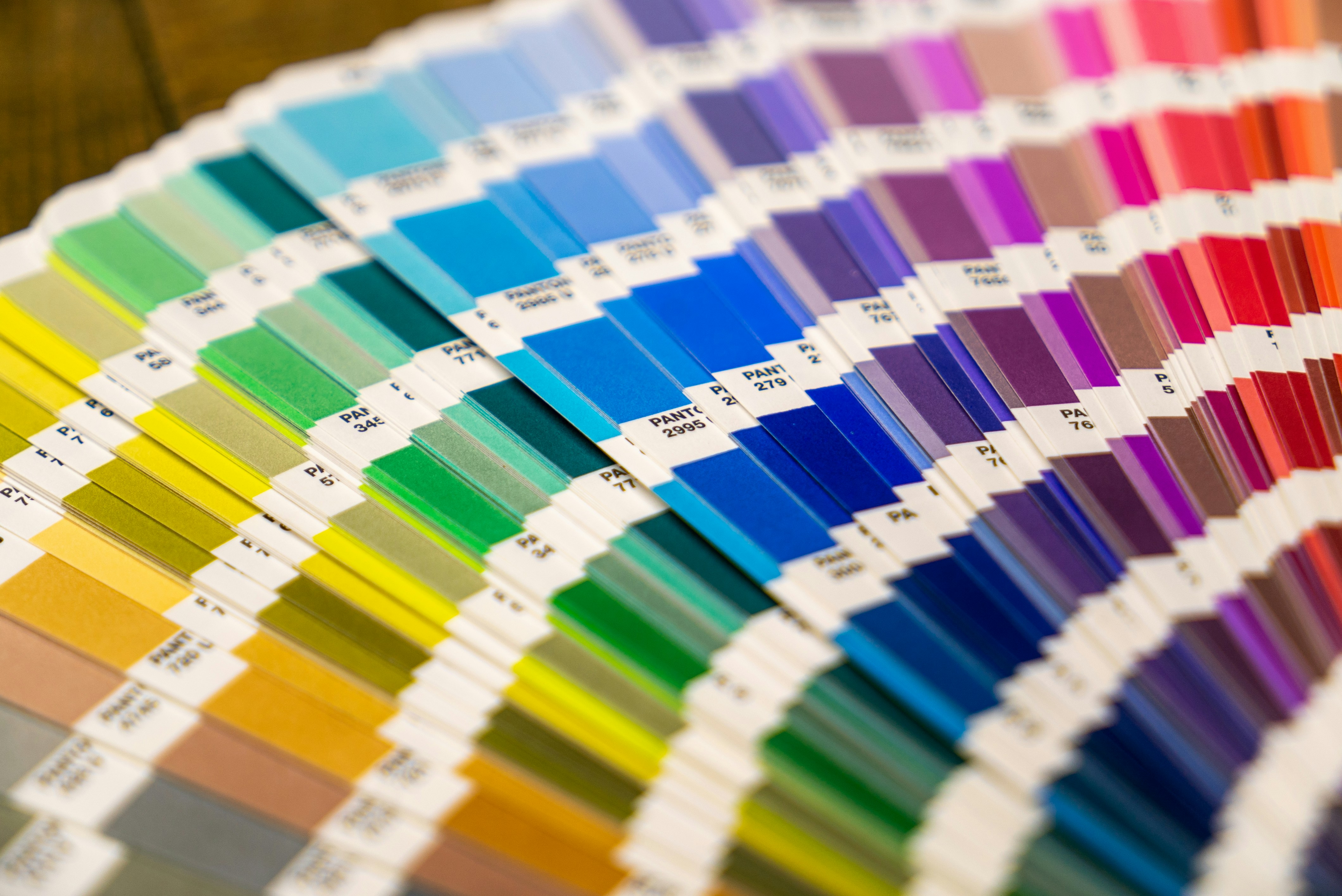
The mistake many brands make is treating CMF as a styling exercise that happens at the end of design.
In reality, CMF should be decided early — alongside form and ergonomics — because it shapes manufacturing partners, cost structures, and marketing narratives.
Get CMF right and your product sells itself on the shelf. Get it wrong and your marketing team spends the next year compensating.
The mistake many brands make is treating CMF as a styling exercise that happens at the end of design.
In reality, CMF should be decided early — alongside form and ergonomics — because it shapes manufacturing partners, cost structures, and marketing narratives.
Get CMF right and your product sells itself on the shelf. Get it wrong and your marketing team spends the next year compensating.
The mistake many brands make is treating CMF as a styling exercise that happens at the end of design.
In reality, CMF should be decided early — alongside form and ergonomics — because it shapes manufacturing partners, cost structures, and marketing narratives.
Get CMF right and your product sells itself on the shelf. Get it wrong and your marketing team spends the next year compensating.
The mistake many brands make is treating CMF as a styling exercise that happens at the end of design.
In reality, CMF should be decided early — alongside form and ergonomics — because it shapes manufacturing partners, cost structures, and marketing narratives.
Get CMF right and your product sells itself on the shelf. Get it wrong and your marketing team spends the next year compensating.
How we approach CMF at Studio Chan
How we approach CMF at Studio Chan
How we approach CMF at Studio Chan
How we approach CMF at Studio Chan
We treat CMF as a strategic decision, not an aesthetic one. For every project, we ask:
What does this material say about the brand?
What does this colour do in a range context?
How will this finish look in a campaign six months from now?
We then test those decisions against manufacturing reality. A beautiful material that cannot be sourced at scale is not a design decision — it is a fantasy.
If you are launching a new range or refreshing an existing one, CMF is where the commercial battle is won or lost. Let us help you get it right.
We treat CMF as a strategic decision, not an aesthetic one. For every project, we ask:
What does this material say about the brand?
What does this colour do in a range context?
How will this finish look in a campaign six months from now?
We then test those decisions against manufacturing reality. A beautiful material that cannot be sourced at scale is not a design decision — it is a fantasy.
If you are launching a new range or refreshing an existing one, CMF is where the commercial battle is won or lost. Let us help you get it right.
We treat CMF as a strategic decision, not an aesthetic one. For every project, we ask:
What does this material say about the brand?
What does this colour do in a range context?
How will this finish look in a campaign six months from now?
We then test those decisions against manufacturing reality. A beautiful material that cannot be sourced at scale is not a design decision — it is a fantasy.
If you are launching a new range or refreshing an existing one, CMF is where the commercial battle is won or lost. Let us help you get it right.
We treat CMF as a strategic decision, not an aesthetic one. For every project, we ask:
What does this material say about the brand?
What does this colour do in a range context?
How will this finish look in a campaign six months from now?